














Most people today assume that if something truly worked for health, it would already be inside a modern pill bottle.
But that assumption may not tell the whole story.
Long before pharmacies… long before modern laboratories… generations before us were already using certain plants to support the body.
For aching joints.
For poor digestion.
For restless sleep.
And for the everyday stresses of life.
In fact, many of these remedies were part of traditional healing systems practiced for hundreds — sometimes even thousands — of years across different cultures.
For a long time, many people dismissed these plants as nothing more than folk traditions.
But in recent decades, something interesting has been happening.
Modern researchers have started revisiting many of these traditional herbs.
They’re studying them in laboratories, in clinical trials, and in large scientific reviews.
And in many cases, they’re discovering that these plants contain bioactive compounds that may influence real biological processes inside the body.
Processes such as inflammation… digestion… and the body’s natural stress response.
In other words, some of the simple remedies our grandparents trusted may have been pointing toward something that science is only now beginning to understand more clearly.
And yet today, many people rely almost entirely on modern routines…
while some of these natural approaches have quietly faded into the background.
So in this article, we’re going to explore nine herbs that have been used traditionally for generations…
and that researchers are now studying for their potential roles in supporting:
- Joint comfort and flexibility
- Digestive health and immune balance
- Better sleep and resilience to stress
Some of the herbs on this list may sound surprisingly familiar.
One of them is something many people already have in their kitchen.
Yet few realize it has been studied for its potential role in supporting the body’s inflammatory response.
And another herb we’ll talk about later has been used for centuries to support sleep and help calm the nervous system — especially during times of stress.
By the end of this article, you may start to see these traditional plants in a completely different light.
You’ll learn what they are…
why researchers are interested in them…
and how they’ve been used historically to support everyday health.
So if you’re curious about how ancient knowledge and modern science are beginning to meet…
let’s explore these nine fascinating herbs together.
1. Ginger (Zingiber officinale)

Ginger is a very familiar root.
It has that warm yellow color… and a distinctive, slightly spicy aroma.
It has been used for thousands of years in traditional systems like Chinese medicine and Ayurveda.
Long before modern medicine, people used ginger in simple, practical ways:
a warm cup of ginger tea to soothe the stomach…
adding it to meals during a cold…
or using it to help ease mild aches and everyday discomfort.
Today, modern science has started taking a closer look at this everyday root.
Researchers have found that ginger contains bioactive compounds such as gingerols, shogaols, paradols, and zingerone.
These are being studied for antioxidant properties and their potential role in regulating the body’s inflammatory response.
Ginger may influence signaling molecules like TNF-alpha and IL-6, as well as enzymes like COX-2.
Because of this, it may help support a reduction in inflammation and the sensation of pain.
Some early studies suggest it may help reduce joint discomfort and morning stiffness, especially in older adults.
However, more research is still needed.
Ginger is easy to include in daily life and is generally considered safe as a food, though some people may experience mild digestive discomfort.
2. Boswellia (Boswellia serrata)

Boswellia, also known as Indian frankincense, is a natural resin from tree bark.
In Ayurvedic medicine, it has long been used to support inflammation, joint discomfort, and mobility.
Its key compounds, boswellic acids, are being studied for their role in regulating inflammation.
Research suggests Boswellia may affect the enzyme 5-LOX, involved in producing inflammatory compounds.
Some studies show improvements in pain, stiffness, and mobility, especially in osteoarthritis.
However, research is still limited.
Boswellia is commonly used as a supplement and is generally well tolerated, though mild digestive discomfort may occur.
3. Devil’s Claw

Devil’s Claw is a plant native to Africa, traditionally used for back pain and joint discomfort.
Its active compound, harpagoside, is being studied for potential anti-inflammatory and pain-supporting effects.
Some studies suggest it may help reduce lower back pain, though results vary and evidence remains moderate to low.
It is generally considered safe for short-term use, with mild side effects like nausea or digestive discomfort.
4. Licorice (Glycyrrhiza glabra)

Licorice is a sweet root used for digestion and stomach support.
It contains compounds like glycyrrhizin and flavonoids, which may have anti-inflammatory and antioxidant effects.
Licorice may help increase mucus in the stomach, supporting its protective lining.
However, long-term or high intake may lead to increased blood pressure or fluid retention.
5. Echinacea (Echinacea purpurea)

Echinacea is widely known for immune support.
It contains compounds that may help regulate immune responses rather than simply “boosting” them.
Research findings are mixed regarding its ability to prevent colds.
It is generally considered safe and widely available.
6. Artichoke (Cynara scolymus)
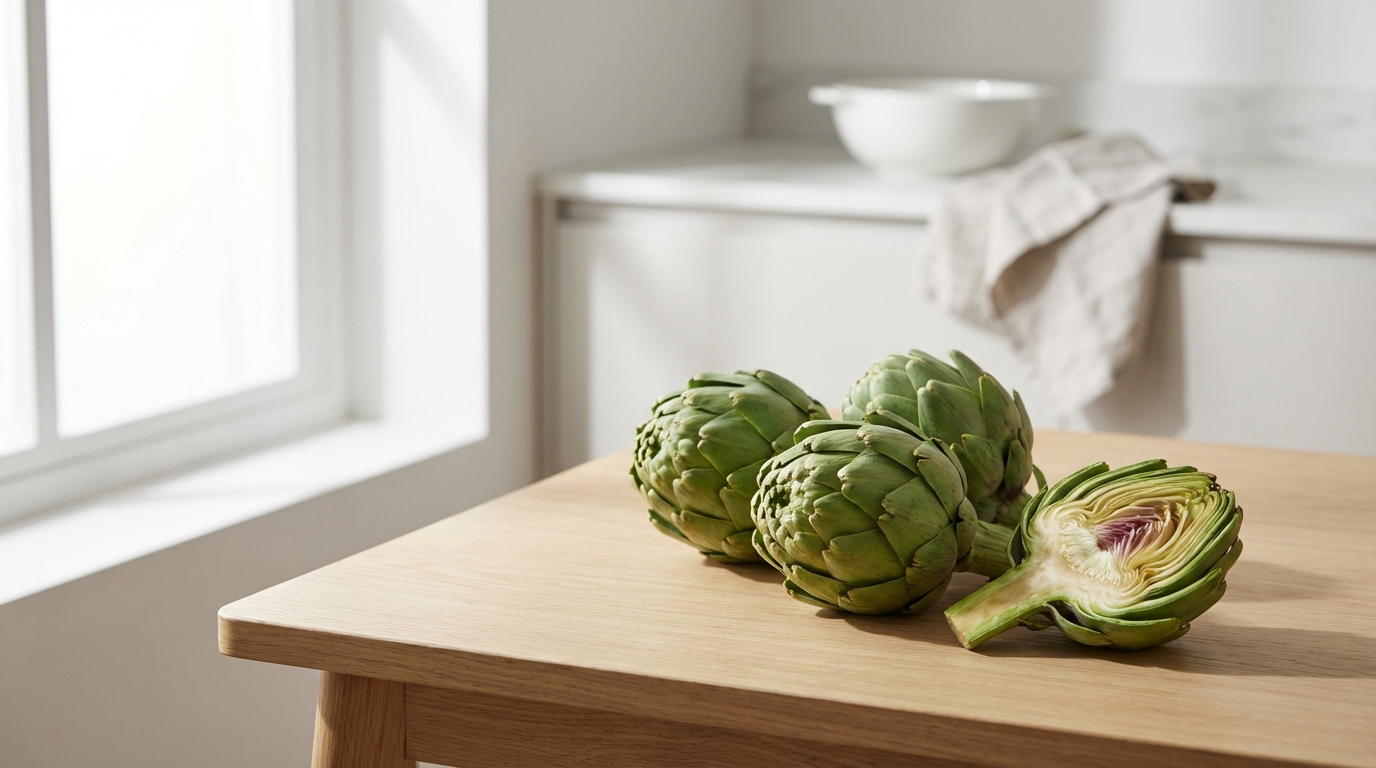
Artichoke has been used to support liver function and digestion.
It contains compounds like cynarin and chlorogenic acid, which may help protect liver cells.
It may also support bile production and digestion.
Research is still limited, but it is generally safe as a food.
7. Valerian (Valeriana officinalis)
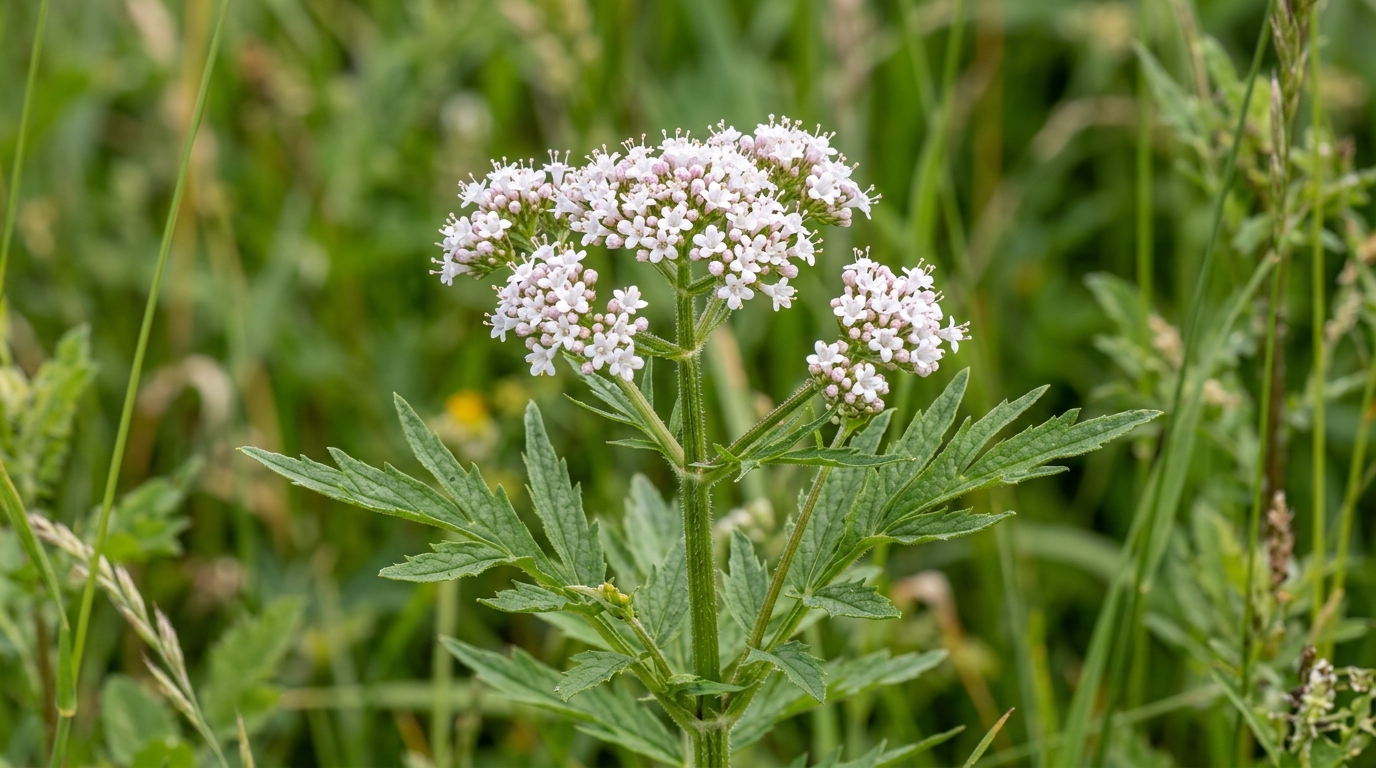
Valerian is known for supporting sleep and relaxation.
It may interact with GABA receptors, helping the body relax.
Some studies suggest improved sleep quality, though results vary.
It is generally safe for short-term use.
8. Chamomile (Matricaria recutita)

Chamomile is a gentle herb often used as tea.
It may help with mild stress, sleep, and digestion.
Its compounds may support relaxation and reduce mild inflammation.
It is widely considered safe with very few side effects.
9. Ashwagandha (Withania somnifera)
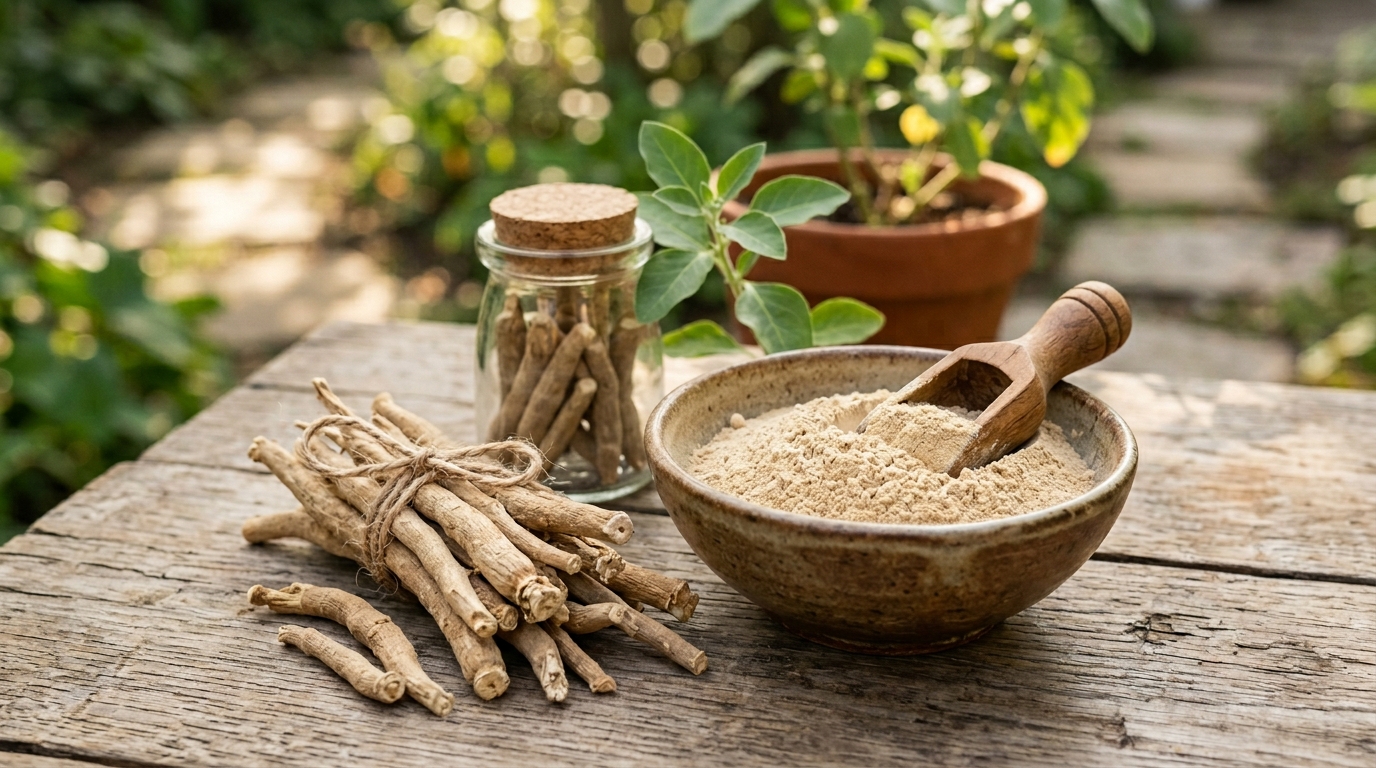
Ashwagandha is an adaptogen used in Ayurvedic medicine.
It may help the body adapt to stress and influence cortisol levels.
Some studies suggest reduced stress and improved well-being, though results vary.
It is generally well tolerated.
Final Thoughts

After reading this, you may have a clearer perspective on how familiar herbs may support your health in a natural and science-informed way.
Which “team” do you belong to?
- Team Joint Health
- Team Digestion
- Team Sleep and Stress
Feel free to share your thoughts and experiences.






Discussion about this post