














There’s a belief many people hold once they pass the age of 60.
You’ve probably heard it before.
“As long as I eat normally, that should be enough to stay healthy.”
Or sometimes people say,
“Herbal remedies are just folk traditions. They’re not really backed by science.”
But what if that belief is causing many people to overlook something important?
What if it’s leading them to miss natural biological tools that could help support the body as it ages?
Over the past few years, several large-scale studies have started to catch the attention of scientists who study aging.
One analysis from the Osher Center for Integrative Health at Harvard Medical School followed more than 32,000 middle-aged and older adults.
The researchers found that the use of certain standardized herbal preparations was associated with noticeable improvements in cardiovascular markers and daily energy levels.
Another study, conducted by the National University of Natural Medicine in the United States, looked at data from more than 20,000 adults over the age of 60 over a period of nearly eight years.
The results showed that people who used appropriate herbal support experienced lower rates of cognitive decline and less loss of physical mobility compared with those who did not.
Now, these findings don’t mean that herbs are some kind of miracle cure.
But they do highlight something important.
Some natural plant compounds appear to influence key biological processes involved in aging.
For example:
- Oxidative stress, when free radicals damage our cells
- Chronic low-grade inflammation, which is linked to heart disease, memory decline, and long-term fatigue
Certain herbs may help regulate these processes.
Some may even support mitochondrial function—often described as the energy factories inside our cells.
And what’s interesting is that these benefits don’t necessarily require complicated lifestyle changes or expensive treatments.
Now imagine two different scenarios at the age of 80.
One person remains mentally sharp, physically active, and able to take care of themselves, continuing to enjoy everyday life.
Another person becomes much more dependent on medications and medical care, partly because of earlier declines in heart health, memory, and overall energy.
Sometimes, the difference between those two paths begins with small choices we make in how we support our bodies after the age of 60.
In this article, we’re going to explore six herbs and natural plant compounds, ranked according to how widely they’re used and the scientific research available so far.
These include herbs that may help support:
- Heart health and blood circulation
- Brain function and memory
- Mental energy as we age
And interestingly, the herb in the number one spot might surprise you.
Because it’s actually a very common ingredient—something you may already have sitting in your kitchen right now.
1. Garlic — The Quiet Guardian of Heart Health
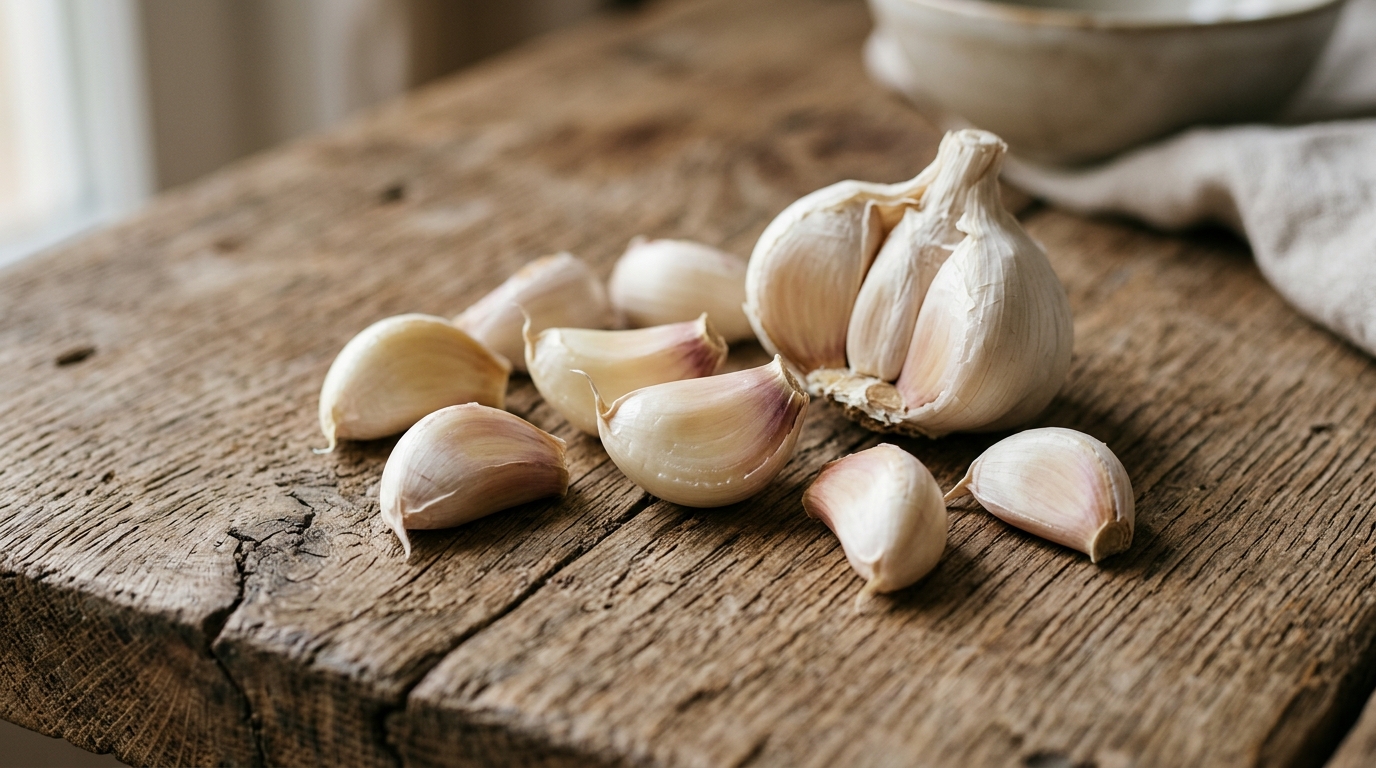 Many people still think of garlic as nothing more than a kitchen ingredient.
But researchers have found something interesting.
When garlic is examined through the lens of modern biology, it shows measurable effects on the cardiovascular system—especially in adults over the age of 60.
As we get older, changes in the arteries become more noticeable.
After age 60, arterial stiffness can increase by roughly 15 to 20 percent per decade.
Oxidative stress in the lining of the blood vessels begins to rise.
Low-grade inflammation tends to last longer.
And the ability of blood vessels to relax gradually declines.
Over time, the heart has to work harder simply to circulate blood through the body.
A 2016 meta-analysis published in The Journal of Nutrition reviewed 39 clinical trials involving more than 2,000 participants.
Researchers found that garlic supplementation was associated with an average 10 to 12 percent reduction in LDL cholesterol.
Among participants with hypertension, systolic blood pressure decreased by about 8 to 10 mmHg after 12 to 24 weeks.
A 2020 review published in Nutrients also reported that garlic may modestly improve lipid profiles and help lower triglycerides.
Garlic contains sulfur compounds such as allicin and S-allyl cysteine, which may support nitric oxide production, reduce oxidative stress, and support blood vessel function.
Common ways people include garlic:
- Fresh garlic in meals
- Black garlic
- Standardized garlic supplements
These are used as supportive strategies—not replacements for medical treatment.
2. Hawthorn — A Long-Time Friend of Circulation
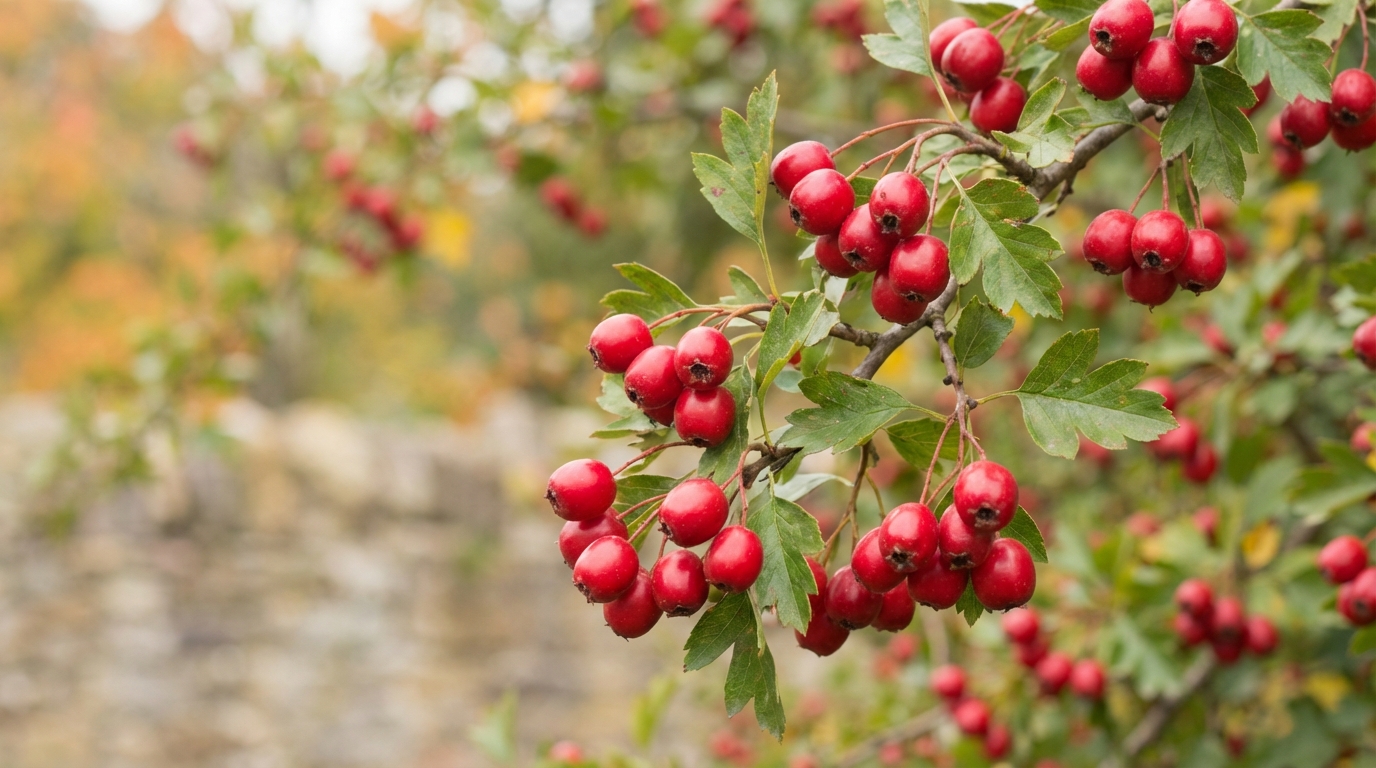
Hawthorn (Crataegus monogyna) has gained attention for its connection to heart health.
A 2022 review in the journal Plants found that hawthorn contains more than 300 natural compounds.
These include:
- Polyphenols
- Flavonoids like rutin and quercetin
- Procyanidins and catechins
- Phenolic acids
- Carotenoids such as lutein and lycopene
These compounds may help neutralize oxidative stress and support healthy blood vessels.
Research suggests hawthorn may support:
- Blood pressure balance
- Circulation
- Heart function
- Cholesterol levels
Common forms:
- Hawthorn tea
- Extract supplements
- Functional foods
3. Turmeric — Curcumin and Inflammation Balance
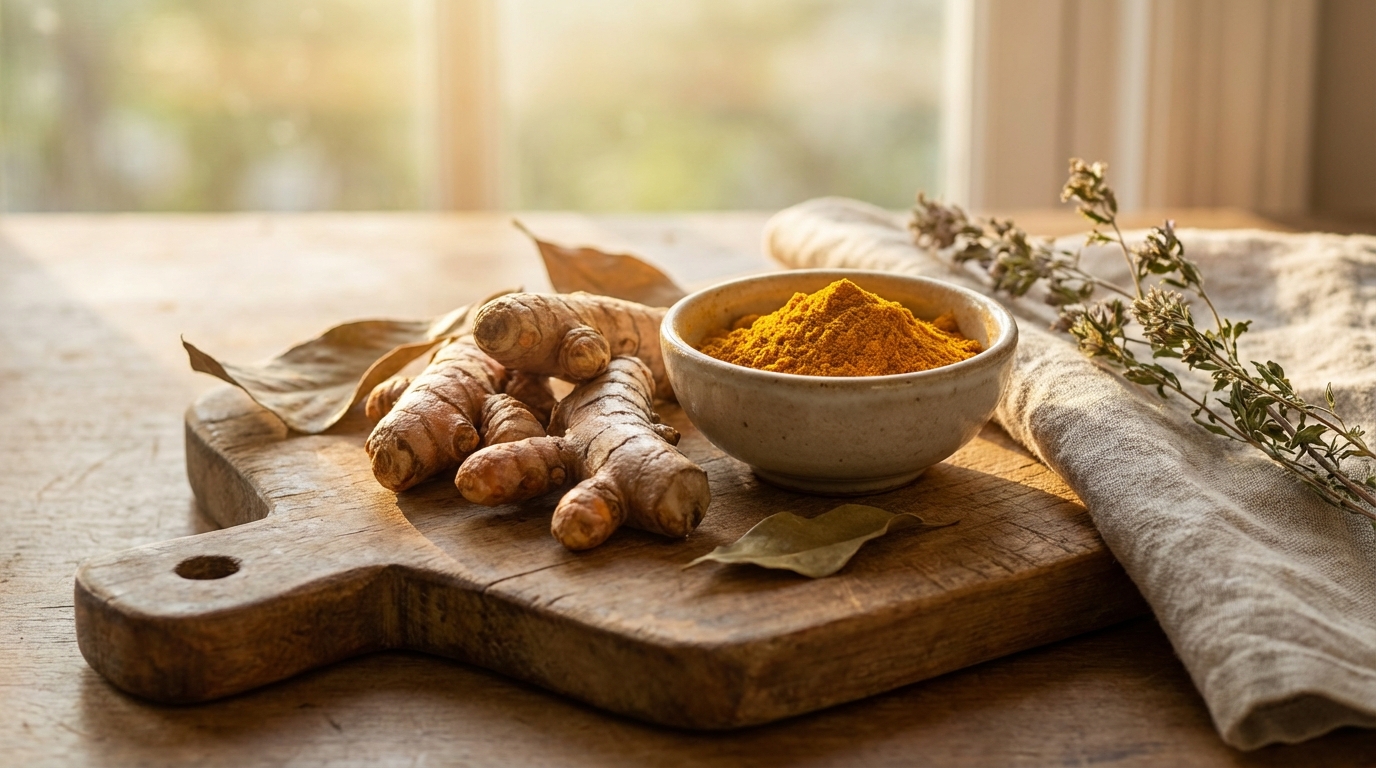
Turmeric (Curcuma longa) contains curcumin, a polyphenol studied for inflammation.
Studies suggest curcumin may reduce markers like CRP, ESR, and ferritin.
Curcumin may activate NRF2, a key pathway linked to antioxidant protection.
This activation can increase protective genes such as:
- HO-1
- NQO1
- GST
Curcumin may help:
- Reduce vascular inflammation
- Support cholesterol balance
- Protect blood vessels
Common forms include:
- Curcumin with piperine
- Micelle or liposomal curcumin
4. Ginkgo Biloba — Memory and Brain Circulation
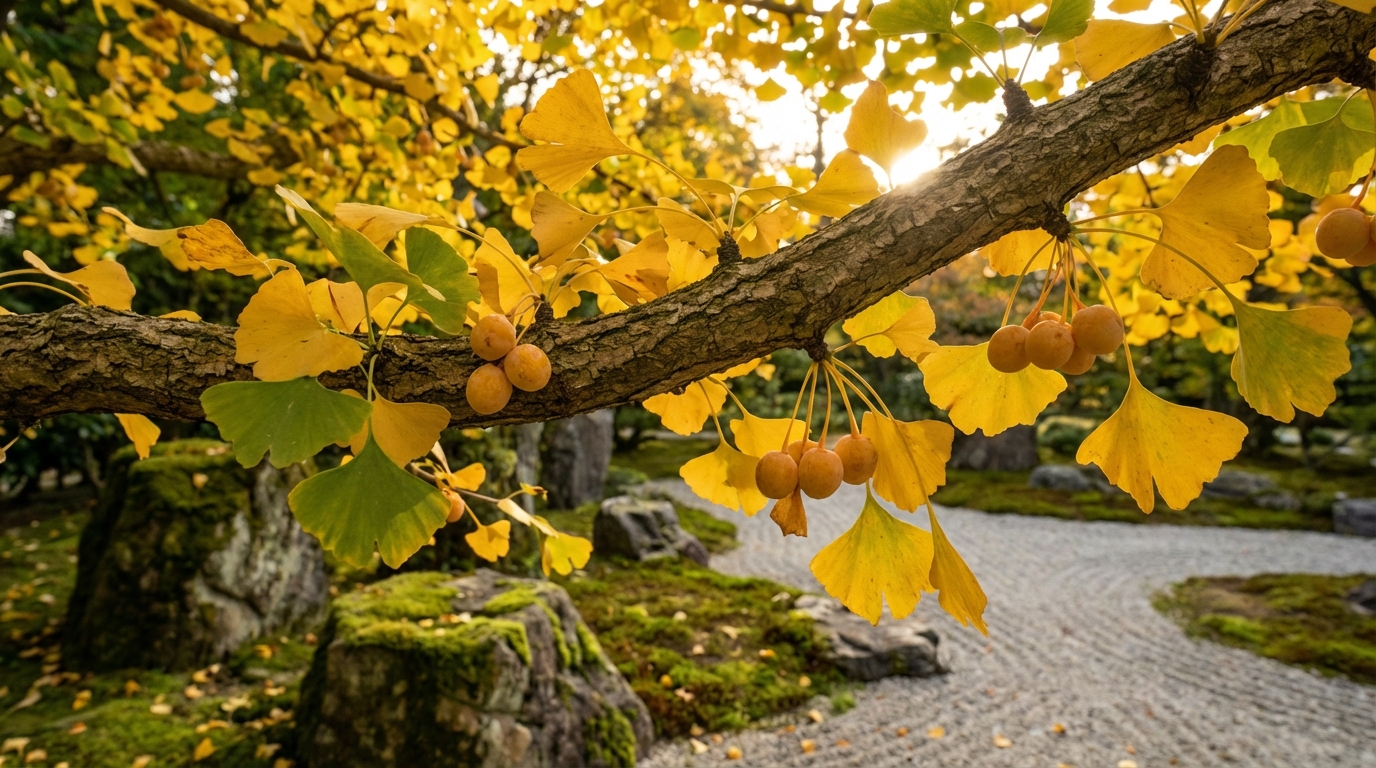
A 2016 review in Frontiers in Aging Neuroscience suggested improvements in:
- Memory
- Attention
- Processing speed
Active compounds include:
- Flavonoids (quercetin, kaempferol)
- Terpenoids (ginkgolides, bilobalide)
Ginkgo may help:
- Increase cerebral blood flow
- Reduce oxidative stress
- Support neuron protection
5. Ginseng — Supporting Mental Energy
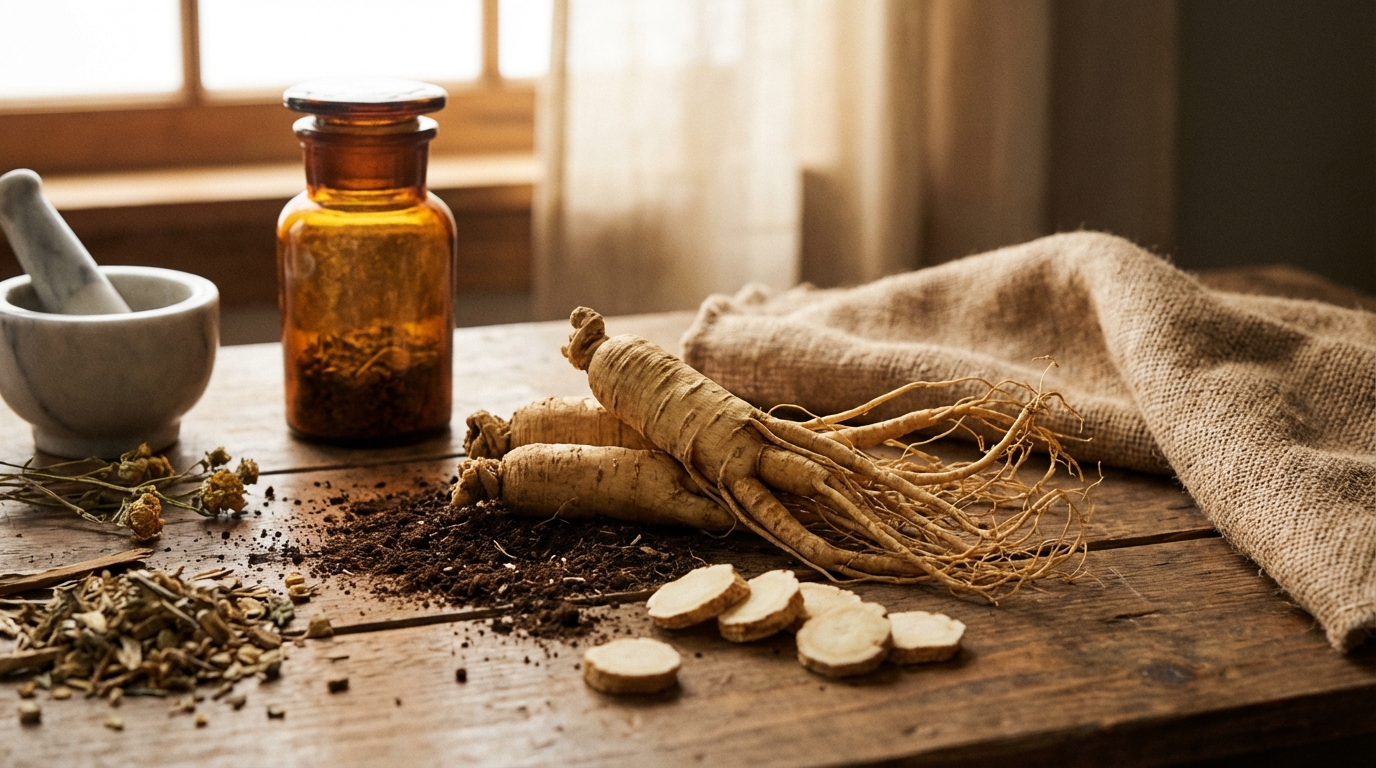
Panax ginseng contains ginsenosides, compounds linked to energy and brain function.
Studies suggest ginseng may:
- Reduce fatigue
- Improve mental performance
- Support cellular energy
Ginseng may also help regulate oxidative stress and neuroinflammation.
It is often classified as an adaptogen, helping the body adapt to stress.
6. Bacopa — Supporting Memory and Learning
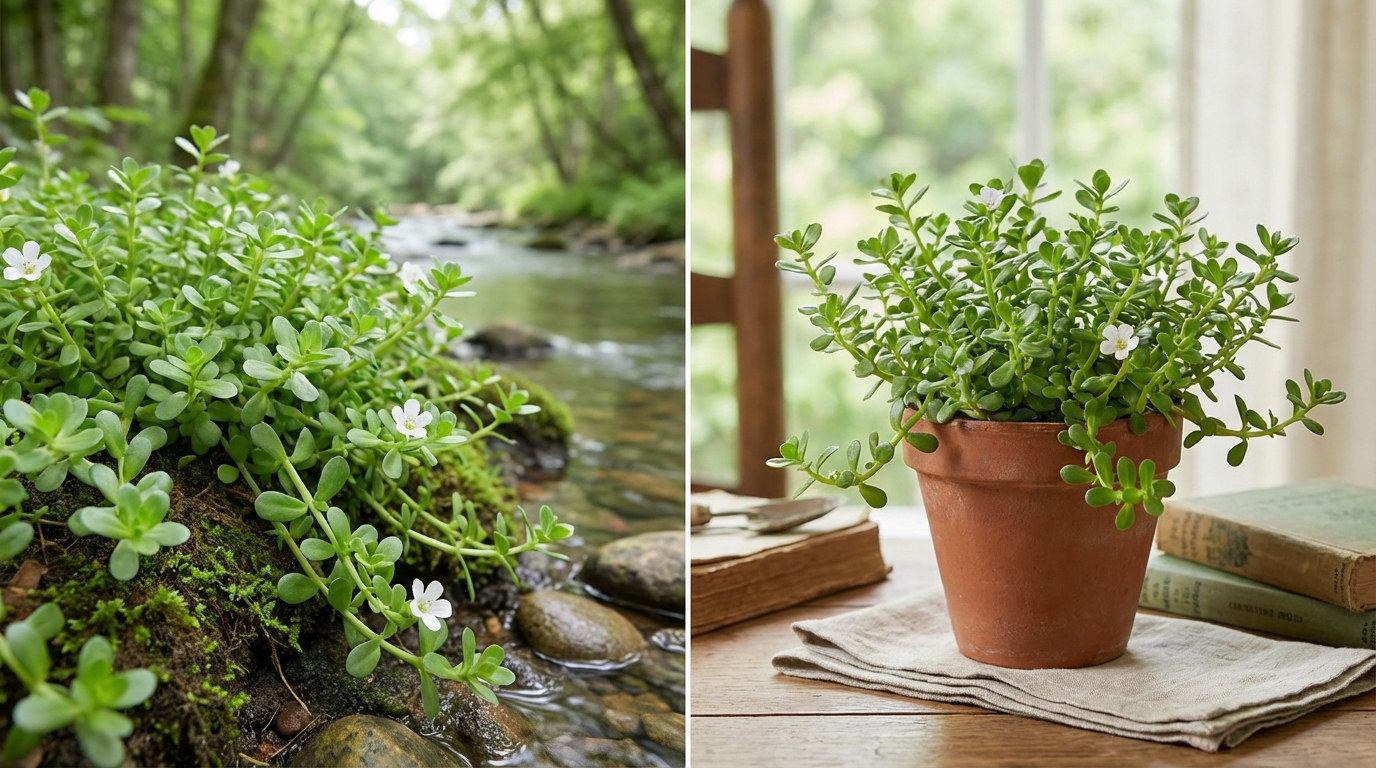
Bacopa monnieri is studied for cognitive support.
Key compounds: bacosides.
Research suggests Bacopa may support:
- Memory
- Learning ability
- Cognitive processing
It may also reduce oxidative stress and support neurotransmitter balance.
Conclusion

After the age of 60, the body doesn’t just need more energy.
It also needs smarter ways to support long-term health.
Natural herbs such as garlic, hawthorn, turmeric, ginkgo, ginseng, and bacopa remind us of something important.
Nature still offers a rich source of biological compounds that may help support heart health, brain function, and overall energy.
At the same time, the most important foundations of healthy aging are still quite simple:
- A balanced diet
- Regular physical activity
- Good sleep
- Routine health checkups
Herbal approaches may serve as supportive tools when used as part of a healthy lifestyle.







Discussion about this post